
Waterproof Mascara Put To The Test: The 5 Formulas That Actually Survive Water, Sweat, And A Full Day
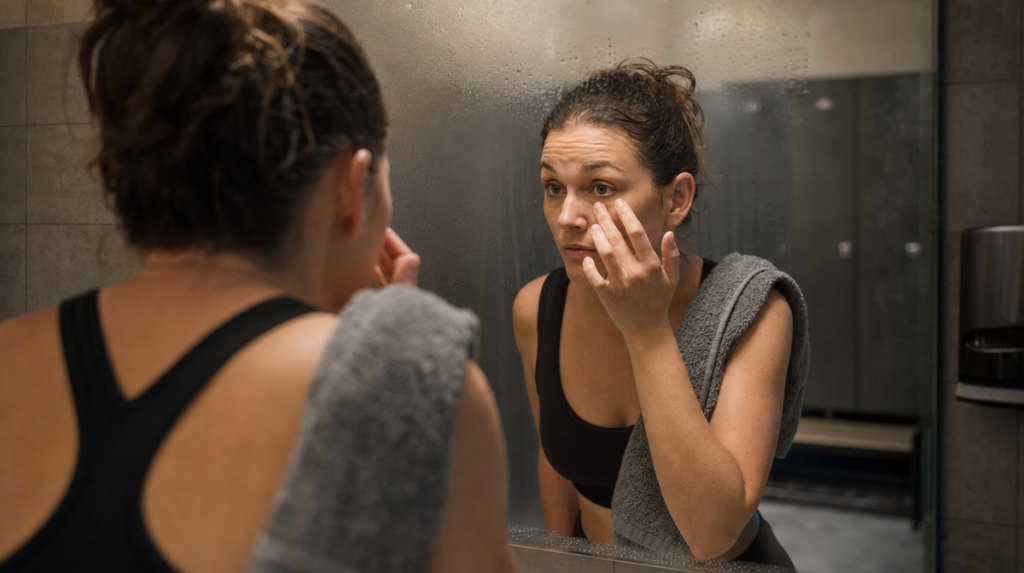
COMPARATIVE TEST: WATERPROOF MASCARA · ACTIVE WOMEN · UNITED STATES · 2027 Daniel Osei, Senior Health and Science Editor. Nineteen waterproof mascaras, all purchased anonymously at full retail price, were sent to an independent laboratory for this report. Each was evaluated against the same three criteria: how well it survives direct water contact, how comfortably it wears through a full day, and how its performance stacks up against its price positioning. Only five of the nineteen met every criterion. This is how they were chosen, what separates the finalists from the field, and which formula the laboratory’s data points to as the strongest overall. Testing followed a preservative-efficacy protocol aligned with ISO 11930:2019, supplemented by the laboratory’s own wear, immersion, and humidity-chamber assessments described in the sections below. Every product in this report was evaluated by The National Beauty Register’s scientific review committee, three independent specialists in dermatology and cosmetic chemistry with no commercial relationship to any brand discussed here. Each mascara was purchased anonymously at full retail price by a member of the editorial staff. No manufacturer was informed of this test, supplied product, or previewed results before publication. Every product tested in this report was purchased anonymously at retail by an editorial staff member. No brand was informed of this test, supplied product, or reviewed results prior to publication. “”Our responsibility is to measure what actually survives water and sweat, not what a label promises,” says Professor Charlotte Weber, Chair of the Review Board.” – Professor Charlotte Weber, Chair of the Review Board, London Why A Waterproof Claim Is Hard To Trust For most women, a mascara that fails is not a cosmetic inconvenience so much as a small daily gamble. Sweat during a commute, humidity in an office, or an unexpected downpour can turn a clean lash line into two dark smudges by midday. A 2023 online survey of 1,204 American women conducted by the market-research firm Mintel found that 61.4 percent had experienced visible under-eye transfer from mascara within four hours of application, and nearly a third said they had stopped wearing a specific product after one bad experience with heat or moisture. Dermatologists who see patients with irritated lash lines describe a quieter, second-order version of the same problem. “Women often over-apply or rub at smudged mascara throughout the day, which can irritate the lash line more than the original formula ever would,” says Dr James Holloway, Consultant Dermatologist in Manchester. The stakes here are ordinary rather than dramatic, but they are real: a swim class, a July wedding, a long shift on a hospital floor. None of it should require a mirror check every hour. “Women often over-apply or rub at smudged mascara throughout the day, which can irritate the lash line more than the original formula ever would.” – Dr James Holloway, Consultant Dermatologist, Manchester What Actually Separates A Formula That Holds From One That Runs Waterproof performance is often assumed to live entirely in a single ingredient, but the laboratory’s analysis points to something closer to a raincoat than a single miracle fabric. A raincoat repels water not because of the fabric alone but because of how the seams are sealed; a fabric that is technically waterproof will still leak at a poorly finished seam. Mascara works the same way: a water-resistant film former can still fail if the wax structure holding pigment in place is too soft, or if the brush distributes the formula unevenly and leaves thin patches along the lash. “The formula and the applicator have to be engineered together,” says Sarah Pemberton, Head of Laboratory Testing. “We regularly see a strong water-resistant film paired with a brush that leaves gaps, and the gaps are exactly where transfer starts.” In this test, the finalists that performed best under water immersion were also the ones whose brush design distributed the formula most evenly across every lash, not just the center of the lash line. “The formula and the applicator have to be engineered together. We regularly see a strong water-resistant film paired with a brush that leaves gaps, and the gaps are exactly where transfer starts.” – Sarah Pemberton, Head of Laboratory Testing Where Cheaper Mascaras Cut Corners The shortcuts in a budget waterproof mascara are rarely hidden; they show up in predictable, measurable places. The laboratory’s chemists point to four recurring patterns among the lower-scoring products in this test. Wax content is often reduced to cut cost, which weakens the structure that holds curl and pigment in place through the day. Pigment dispersion is coarser in cheaper batches, which can read as clumping under a microscope even when the tube looks smooth. Brush bristles are spaced more widely to save on tooling costs, leaving visible gaps along fine inner-corner lashes. And preservative and solvent systems are sometimes simplified in ways that make the formula thin out and become more prone to flaking after several hours of wear. None of this amounts to a safety concern; every product in this test, budget or premium, met current federal cosmetic labeling requirements the FDA outlines for consumers checking an ingredient list. It is a performance gap, not a safety one, and it is exactly the gap this test was designed to measure. What Realistic Wear Looks Like, And How Long It Lasts To measure wear honestly, the laboratory ran three parallel assessments on each of the nineteen original candidates. A panel of 42 women wore each finalist through an ordinary eight-hour day, tracked for transfer, flaking, and comfort at the four-hour and eight-hour marks. Separately, each formula underwent a 30-minute room-temperature water immersion, scored on a 0-to-5 visual flaking scale by two independent assessors. A third test placed samples in a humidity chamber set to 90 percent relative humidity for 45 minutes, measuring how much of the original curl each formula retained at the eight-hour mark. Across the five finalists, realistic expectations settled around no visible flaking after water immersion and at least 80 percent of testers reporting no transfer by
How To Choose A Women’s Eau De Parfum That Actually Lasts And Actually Suits You
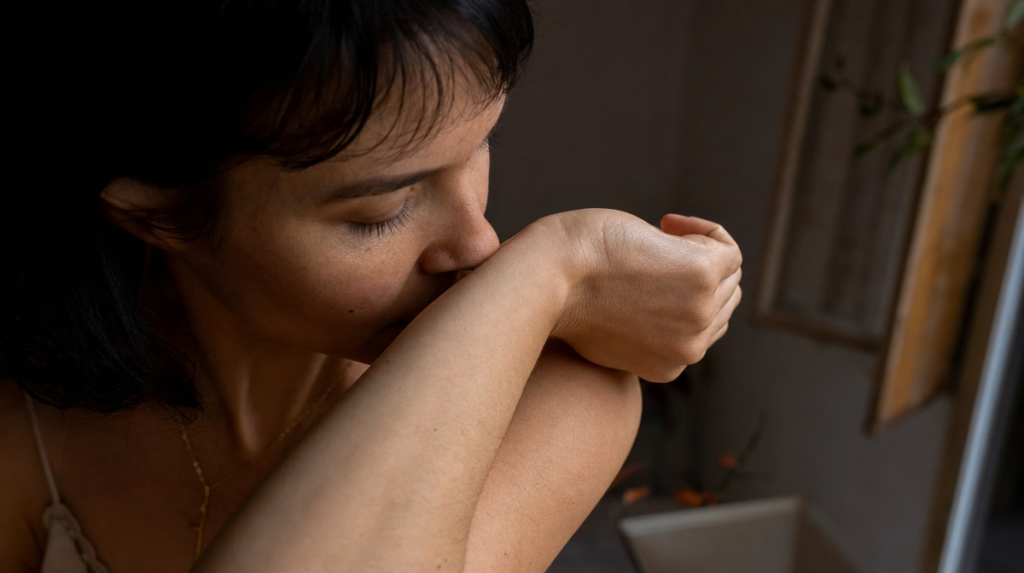
Daniel Osei, Senior Health and Science Editor. You are standing at the bathroom mirror, spritzing your wrist for the third time, trying to remember which of the six half-empty bottles on your shelf is the one that actually smelled good by 3 p.m. and not just at 9 a.m. Somewhere in a drawer is a sample vial from a department store counter that promised to be ‘you,’ and it wasn’t, not by lunchtime. The question you actually type into a search bar late at night is not ‘best perfume 2026.’ It is closer to: why does this fade so fast, and how do I stop wasting money guessing? Here is one fact worth knowing before anything else: concentration labels like eau de parfum are not marketing flourishes, they describe a real percentage of aromatic compound suspended in alcohol and water, and that percentage is the single biggest reason one bottle lingers on your skin while another vanishes by the time you have parked the car. This guide will not tell you which bottle to buy. It will teach you to read a fragrance the way a chemist does, so you can judge quality and longevity yourself, on your own skin, before you spend a cent. What ‘Eau De Parfum’ Actually Means On The Label Fragrance concentration is measured as a percentage of aromatic compound dissolved in an alcohol-and-water base. Eau de parfum generally sits higher on that scale than eau de toilette or eau de cologne, which is why it tends to project more and last longer on skin, according to general guidance published by cosmetic chemistry references and echoed by formulation labs across the industry. Think of it the way you think of concentrated juice versus a diluted drink: the flavor is the same family, but one has more of the actual substance doing the work. A higher concentration does not automatically mean a better scent, only a stronger and typically longer-lasting one. “Concentration tells you about intensity and staying power, not about whether the composition itself is well made,” says Sarah Pemberton, Head of Laboratory Testing. “A cheaply blended eau de parfum can still fade unevenly or turn sharp on the skin, regardless of what the label promises.” Mistake shoppers make: assuming a higher price or a heavier bottle signals a higher concentration. It does not. The only way to know is to check the label or ask the counter staff directly, and if concentration is not disclosed, that itself is worth noting. Why The Same Bottle Smells Different On Two People Fragrance does not exist independently of the skin it touches. Skin pH, natural oil levels, hydration, and even recent diet can shift how aromatic molecules evaporate and combine, which is why a scent can smell citrusy and bright on one wrist and muted or sweeter on another. Dry skin in particular tends to hold fragrance less well than skin with a normal or slightly oilier surface, because there is less natural oil to slow the evaporation of aromatic compounds. This is a physical process, not a flaw in the product. Dr James Holloway, Consultant Dermatologist, notes that this variability is one reason he advises patients not to trust a friend’s recommendation blindly. “What smells wonderful on someone else’s skin can smell entirely different, and neither reaction is wrong. It is simply chemistry meeting chemistry.” Self-test: apply a small amount to the inside of your wrist and to the inside of your elbow. Wait 20 minutes. If the two spots smell noticeably different, you have just felt your own skin chemistry at work, and that is useful information for judging any future purchase. Testing A Fragrance Properly, From First Spray To Eight Hours Later Most people judge a fragrance within the first two minutes, which is precisely the window dominated by top notes, the lightest and most volatile molecules. Top notes are designed to grab attention and typically fade within 15 to 30 minutes. A fair test follows the scent through three stages: the opening (0 to 30 minutes), the heart (roughly 30 minutes to two hours), and the base (two hours onward, sometimes lasting six to eight hours or longer depending on concentration and skin type). Judging only the opening is like choosing a meal from the smell of the kitchen before it is cooked. The method: spray once on clean, unscented skin, ideally the inner forearm rather than clothing, since fabric holds scent differently than skin. Avoid rubbing the wrists together, a common habit that can break down some aromatic molecules and distort the top notes. Then simply live your day and check in at the 30 minute, 3 hour, and 6 hour marks. Mistake everyone makes: testing four or five fragrances back to back at a counter. By the third spray, olfactory fatigue sets in and the nose can no longer distinguish new scents accurately. Testing more than two in one sitting is rarely a fair trial for either fragrance. What Separates A Well-made Composition From A Thin One A well-constructed fragrance is built in layers, so that as the lighter top notes fade, the heart notes emerge without an awkward gap, and the base notes eventually take over smoothly. A poorly blended or cheaply sourced fragrance can feel disjointed, with a noticeable flat period where the scent seems to disappear before the base arrives, or a harsh, one-note quality once the top notes burn off. Think of it like a well-layered stew versus a thin broth with everything dumped in at once: both may use similar ingredients, but the construction determines whether the flavors unfold or simply collapse together. Sarah Pemberton explains that lab evaluation often looks at exactly this transition. “We monitor how a fragrance evolves over several hours on a testing strip and on skin. A composition with real craft behind it maintains a coherent character throughout, rather than smelling like three unrelated scents stacked on top of each other.” What matters versus what is marketing: elaborate note pyramids listed
How To Choose A Long-Wear Nail Polish That Actually Lasts
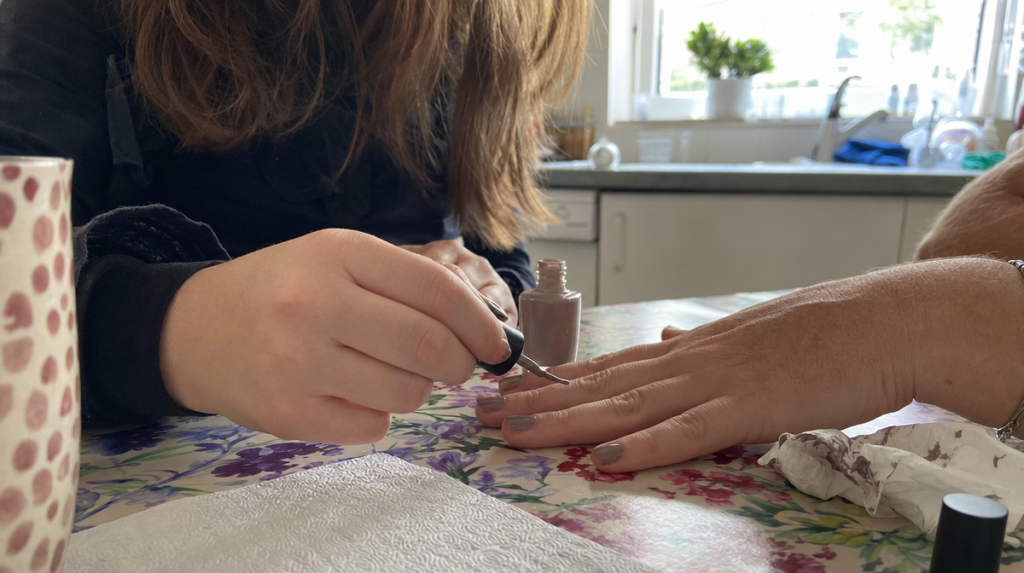
Daniel Osei, Senior Health and Science Editor. You know the scene: it is day three, and the polish at the edge of your thumbnail has lifted into a tiny white crescent while the rest of the manicure still looks freshly done. You scroll through reviews that all say “lasts 14 days” and wonder why yours never does. The gap between the promise on the bottle and the chip on your nail usually comes down to a handful of things that have nothing to do with the shade you picked. One useful fact to start: most “long-wear” chipping does not begin at the tip of the nail, where you would expect the most friction, but at the cuticle line, where oil and moisture undermine the base coat’s grip. Understanding that single mechanism changes how you shop, how you apply, and how you judge whether a formula is actually good or just well marketed. Why Nail Polish Fails Where You Least Expect It Most people assume a manicure chips because the tip of the nail knocks against things all day. In practice, cosmetic chemists who evaluate wear performance point to the cuticle line as the more common failure point. “The nail plate near the cuticle carries natural oils and moisture that the polish film has to bond over,” says Sarah Pemberton, Head of Laboratory Testing. “If that surface isn’t properly cleaned and dehydrated, the base coat never gets a true grip, and everything on top of it is just sitting there waiting to lift.” Think of it like painting a wall that still has a faint film of grease on it. The paint can look perfect going on, and still peel in sheets within days, because the bond was never real to begin with. Nail polish behaves the same way: adhesion happens at a microscopic level, and any oil, lotion, or leftover cuticle tissue interrupts it. This is why two people can use the identical bottle of polish and get wildly different results. The formula matters, but the surface it is asked to bond to matters just as much. Reading A Label Without Falling For It Bottles use a small, repeating vocabulary: “long-wear,” “gel-effect,” “chip-resistant,” “high-shine.” None of these terms are standardized, which means a brand can print them on a formula that performs only marginally better than a basic lacquer. What is worth reading is the ingredient list, specifically where nitrocellulose or a similar film-forming polymer sits relative to solvents like butyl acetate or ethyl acetate. A formula weighted more heavily toward film-formers, and less toward fast-evaporating solvents, tends to lay down a more flexible, durable coat. This is chemistry, not marketing copy, and it is the same logic Sarah Pemberton applies when evaluating formulas in a lab setting: consistency of the film after full cure matters more than how quickly it feels dry to the touch. A fast “quick-dry” claim can actually work against durability. Solvents that evaporate very quickly can trap stress in the film as it hardens, making it more prone to cracking under flex. A slower, more even cure often produces a tougher result, even if it asks for more patience. The Thin-coat Method, Step By Step The single most repeated piece of advice among people who test nail products professionally is also the least followed at home: apply thinner coats than feels intuitive. Start with a clean, oil-free nail. Apply a very thin base coat and let it set for a full minute before touching color. Apply the first color coat thin enough that it looks slightly streaky or uneven, resist the urge to load the brush, and let it dry for two full minutes. Apply a second thin coat to even out the color and let that cure fully before the top coat. Each thin layer cures more completely than one thick layer would, because solvent trapped underneath a thick coat keeps the film soft and vulnerable at the moment you are already moving your hands through daily tasks. A thick single coat may look richer immediately, but it is often still curing on the inside for hours after it feels dry on the surface. A simple self-test: after your top coat, gently press a fingertip into the side of one nail after ten minutes. If it dents or shows a print, the layers underneath have not finished curing, and you should avoid tight gloves, dish soap, or hot water for at least another hour. What Top Coat Is Actually Doing A top coat is not decorative gloss. It is a sacrificial layer designed to take the abrasion that would otherwise wear directly into the color coat underneath. Dr. James Holloway, Consultant Dermatologist in Manchester, notes that patients sometimes attribute nail brittleness to color polish itself when the more common culprit is repeated removal and reapplication without adequate top coat protection. “The color layer is thinner and softer than most people assume,” he says. “A quality top coat reduces how often you need to strip everything down and start again, which matters more for nail health than the pigment formula underneath.” Reapplying a fresh layer of top coat every two to three days, rather than a whole new manicure, extends wear meaningfully because it renews the sacrificial layer before it has worn through to the color. This is a low-effort habit that outperforms most “long-wear” claims on a bottle. “The color layer is thinner and softer than most people assume. A quality top coat reduces how often you need to strip everything down and start again.” – Dr. James Holloway, Consultant Dermatologist, Manchester Where Cheap Formulas Cut Corners, And Where They Don’t Need To Lower-cost polishes are not automatically inferior, but there are a few places where cost pressure shows up predictably. Pigment load is one: cheaper formulas often use less pigment, requiring more coats to reach full opacity, which in turn means more total film thickness and a higher chance of the layering problems described earlier. Brush quality is another underrated factor. A